Can Koalas Really Get Chlamydia?

A koala in a tree

On an episode of the reality TV show Love Island, the conversation turned to sexually transmitted infections (STIs). Cast member Cierra speculated that we could blame our current STI epidemic on men who had sex with animals. She pointed to koalas with chlamydia as an example, blamed cows for giving us gonorrhea, and even suggested that Christopher Columbus was partly responsible for STIs because he had sex with manatees. Like so many things we hear in the media, there’s some truth to what Cierra is saying but there’s also a lot of misinformation.

Koalas and Chlamydia

Let’s start with koalas. The cuddly looking marsupials have, in fact, been dealing with an outbreak of chlamydia for years. The bacterial infection is spreading from koala to koala and causing blindness, infertility, and death. It is one of the reasons that the koala population is down as much as 80% in some areas of Australia. A few years ago, wildlife experts in New South Wales began vaccinating koalas against chlamydia which will hopefully stop the epidemic.

But the chlamydia that koalas get is not the same one that infects humans. The animals are getting and spreading chlamydia pecorum. We are getting and spreading chlamydia trachomatis. While they share a name, there are many differences between the two.

Chlamydia trachomatis is a bacterium that is passed through human oral, anal, or vaginal sex. It can infect the penis, vulva, vagina, cervix, or anus. There are approximately 1.6 million cases of chlamydia reported each year in the United States.

Chlamydia is easily treatable with antibiotics, but many infections have no symptoms. If an infection goes undiagnosed and untreated, it can lead to pelvic inflammatory disease (PID). PID is a serious infection of the female upper genital tract/reproductive organs (uterus, fallopian tubes, and ovaries). If PID is not treated, it can lead to infertility.

Chlamydia in humans is not deadly as it is in koalas. But scarring from PID can put women at more risk of ectopic pregnancies (where an embryo starts developing outside the uterus), and this can be life threatening.

Another difference: unlike koalas, we do not have a vaccine to prevent chlamydia. Chlamydia is spread from infected fluids like semen and vaginal secretions. Condoms work well to stop transmission because they block the exchange of these fluids.

People at high risk of chlamydia can also take doxy PEP or doxycycline post-exposure prophylaxis. This sexual health strategy involves taking an oral antibiotic after condomless sex to prevent chlamydia, gonorrhea, and syphilis. Doxy PEP has been found to be 80% effective against chlamydia and syphilis and 50% effective against gonorrhea.

Because chlamydia is very common and so often has no symptoms, anyone who is sexually active should think about being tested. Specifically, the Centers for Disease Control and Prevention (CDC) recommends sexually active women age 25 or younger get tested once per year. Chlamydia testing is also recommended for women with new or multiple sexual partners and for pregnant women.

Anyone who is sexually active should talk with a health care provider about whether they need testing for chlamydia or other STIs. But they shouldn’t blame koalas or cows.

Gonorrhea Doesn’t Come from Cows

While the connection between koalas and chlamydia is clear, Cierra’s suggestion that cows caused gonorrhea is harder to track. Gonorrhea has actually been around for thousands of years so pinpointing the origin is almost impossible, but the friendly farm animals seem like an unlikely source.

However it began, we do know that gonorrhea is also a bacterial infection that is spread through the exchange of bodily fluids during oral, anal, or vaginal sex. There are over 600,000 cases of gonorrhea reported in the United States each year, many of them occur in men who have sex with men.

Gonorrhea often has no symptoms but can cause a yellowish-white discharge from the penis, pain or swelling of the testicles, burning or pain when urinating, or abnormal discharge from the vagina. If left untreated gonorrhea can also lead to PID and infertility.

Antibiotics can cure gonorrhea, but the bacteria that causes the infection has become resistant to many of the medications we have for it. Currently, there is only one class of antibiotics that works but there are some new ones in development.

Like chlamydia, condoms can reduce the risk of transmitting gonorrhea. Doxy PEP is another prevention option though it doesn’t work as well as against gonorrhea as it does against chlamydia and syphilis.

The CDC recommends that sexually active women under 25 get tested annually and that men who have sex with men get tested at least once each year as well. Men who have sex with men who are it increased risk may want to test every three or six months instead. (Gonorrhea and chlamydia testing are often done together.)

If you are sexually active, talk to your health care provider about what STI tests you need.

Men and Manatees

Cierra’s last claim that Christopher Columbus brought STIs to humans by having sex with manatees seems pretty outrageous and unlikely to be true. That said, there have been cases of bacteria and viruses—some of them sexually transmitted—making their way from animals to humans.

In fact, research has suggested that HIV evolved from a similar virus that originally infected monkeys. The jump from animals to humans, however, did not involve inter-species sexual behavior. Instead, people likely became infected from the blood of the animals after killing and butchering them.

Conversations about STIs were once considered too taboo for TV, so it’s exciting when a show like Love Island is willing to give airtime to this topic. Still, reality television is probably not the best place to get STI news and information.


Keep Reading

Diagnosing TMVII

CDC Offers Guidance on Sexually Transmitted Ringworm (TMVII)

CDC is is asking clinicians across the to pay close attention to possible infections caused by sexually transmitted ringworm—TMVII.
A provider talks to a patient

Chlamydia: A Common and Curable Infection

Chlamydia is the most common reported bacterial STI in the U.S. It is most common in younger people—it is estimated that 1 in 20 sexually active young women aged 14-24 years has chlamydia.
Gonorrhea

Learn About Gonorrhea and How to Prevent It

Gonorrhea (also known as “the clap”) is an infection caused by the bacteria Neisseria gonorrhoeae. It is passed on during vaginal, anal, and oral sex (performing or receiving).
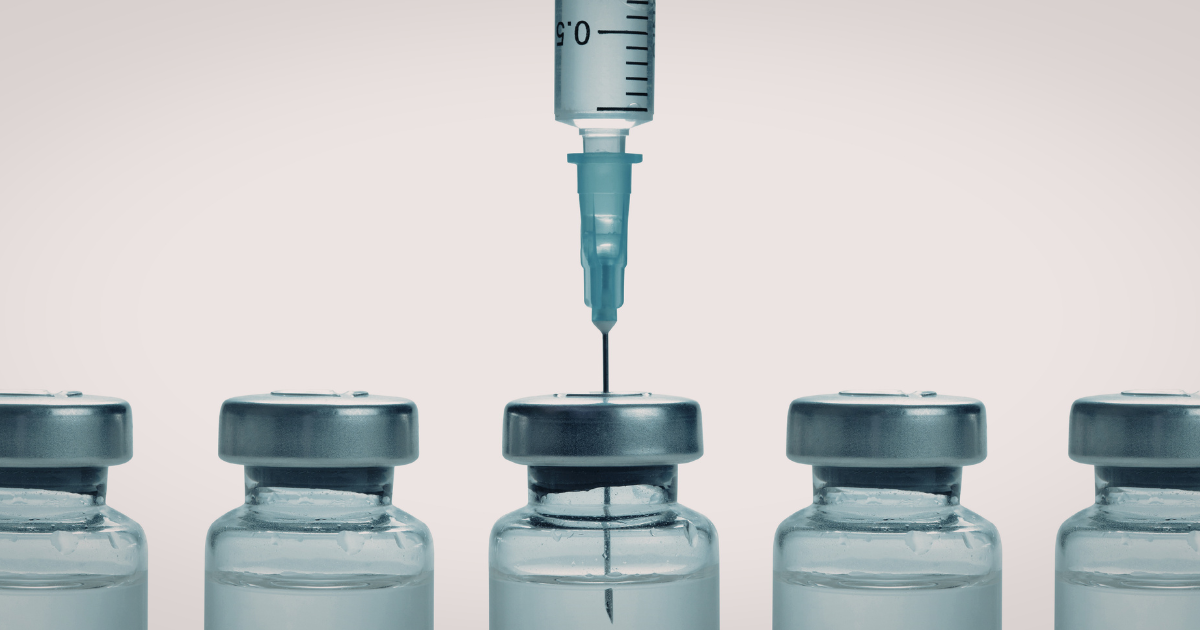
A series of vaccine vials with vaccines to prevent STIs

Survey Says…Not Enough People are Aware of Vaccines to Prevent STIs

While most adults know the most common STIs, there’s still confusion about lesser-known infections, vaccines to prevent STIs, and whether sitting on a toilet seat is risky (it’s not).
Doctor showing something to a patient

Fast facts about HSV (Herpes Simplex Virus)

Herpes is a very common viral infection caused by herpes simplex virus (HSV). I can cause sores on the mouth or face or in the genital area. Herpes cannot be cured, but it can be treated.
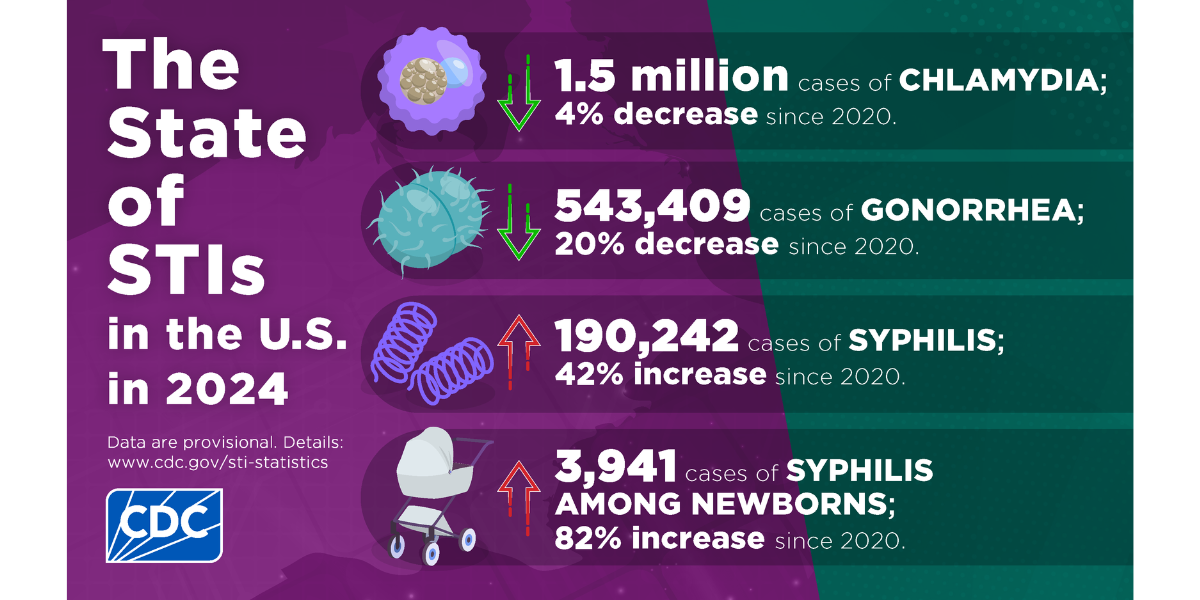
The State of STIs 2024

Latest Data Shows that Chlamydia, Gonorrhea, and Syphilis Rates are Dropping

The CDC just released STI Surveillance Data for 2024 that show cases of chlamydia, gonorrhea, and syphilis are slowly declining.
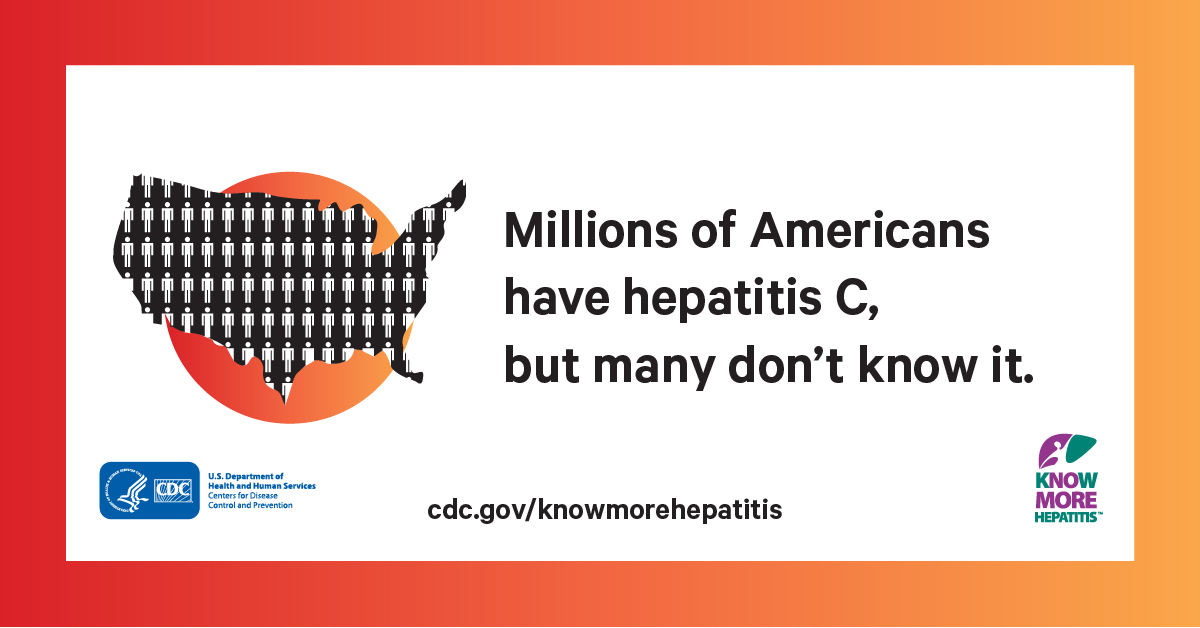
Hepatitis C

The 5 Main Types of Hepatitis (including 2 you can vaccinated against)

Hepatitis is an inflammation of the liver that can be caused by a group of viruses—hepatitis A, B, C, D and E. When hepatitis viruses damage liver cells, scar tissue is formed and those cells can no longer function.
A couple holds a condom

Your Safer Sex Toolbox

Explore ways to make sex safer and communicate with your sexual partners about your expectations and boundaries.
J. Dennis Fortenberry

Talking Birds and Bees in the 21st Century

Why are STI rates so high among young people? For insight we chatted with Dr. J. Dennis Fortenberry, a Professor in the Department of Pediatrics at the Indiana University School of Medicine.
Sexually transmitted infections

STDs A to Z

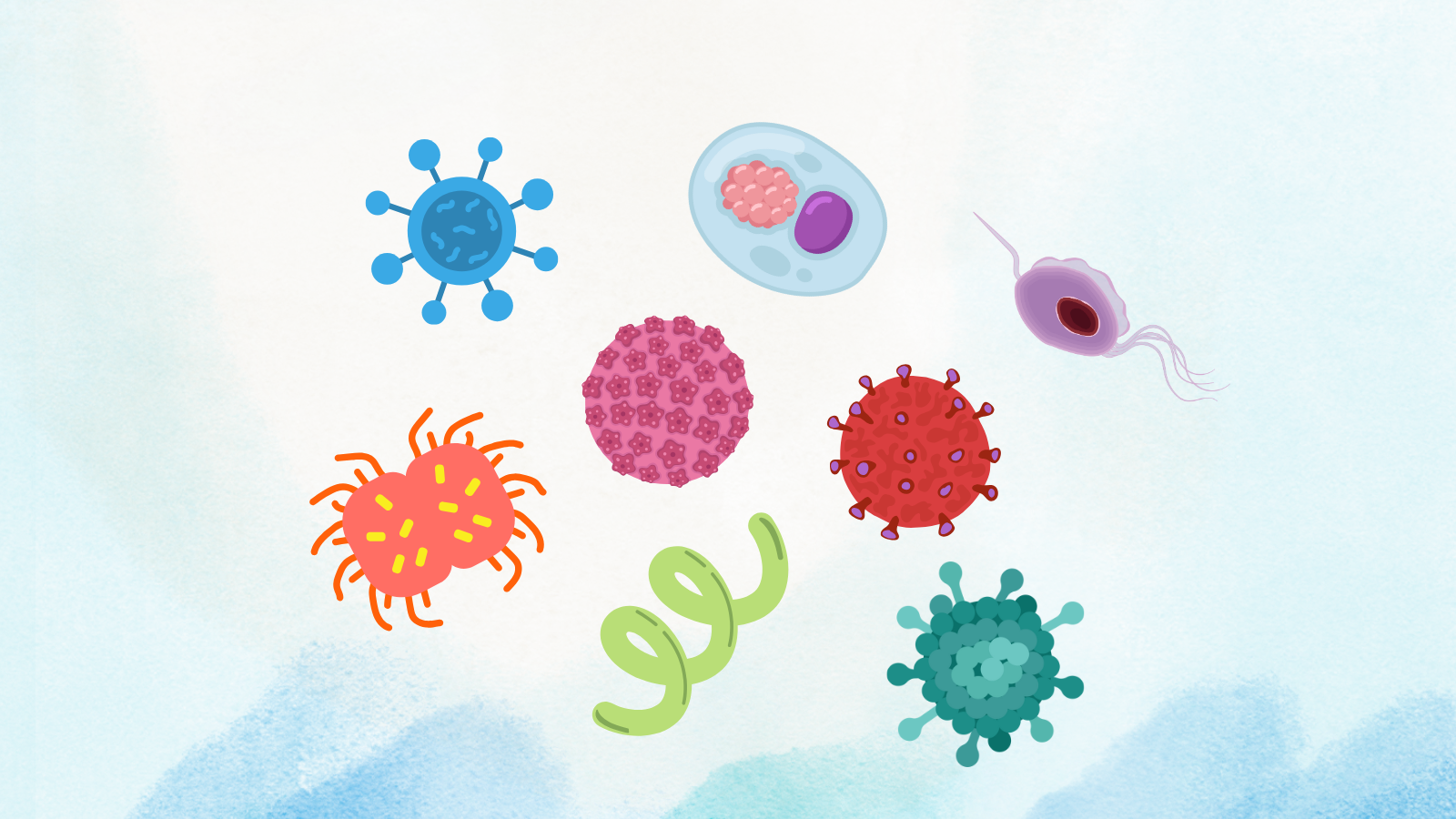
Sexually transmitted infections, or STIs—also called sexually transmitted diseases, or STDs—affect people of all ages, backgrounds, and from all walks of life. In the U.S. alone there are about 20 million new cases of STIs each year.
Ask the experts

Ask the Experts

Ask the Experts was an ASHA program where experts answered STI-related questions from the public. You can now access a searchable archive of the thousands of questions answered by our experts.
Three butt plugs used for anal play or anal sex

Anal Sex and STIs

Anal sex may have once been thought of more taboo than other sexual behaviors, but today we know it’s a perfectly normal way to find sexual pleasure.
A prescription bag

Are Patients Not Following Through with STI Treatment?

About 1.6 million cases of chlamydia and 600,000 cases of gonorrhea are diagnosed in the United Sates each year. A new study suggests that these patients may not be following through with STI treatment or getting the right antibiotics.
Research on new antibiotic for gonorrhea

A Possible New Treatment for Gonorrhea is on the Horizon

A clinical trial of a new antibiotic found that it works just as well as a current drug regimen for treating gonorrhea infections. This is important because the bacteria that causes gonorrhea has become resistant to most existing antibiotics.
Swab test for chlamydia, gonorrhea, and trich

FDA Approves a New At-Home Test for Three Common STIs

The FDA just approved a new, fully at-home test for chlamydia, gonorrhea, and trichomoniasis. The tests, which is only for women, will be available without a prescription. Users can collect their own sample and have results in less than 30 minutes.
A home test kit

Young People Say They Prefer At-Home STI Testing

A study revealed that the majority of young people would prefer testing for STIs at home over going to a doctor’s office or clinic.
Free HIV and STI Testing

What You Should Know About STI Testing

Many STIs have no signs or symptoms. The only way to know if you have an STI is to get tested. Learn more about all your STI testing options.
An image of HPV

Human Papillomavirus (HPV)

Human papillomavirus, or HPV, is very common. Some types of HPV can cause genital warts and other types can cause cancer, including cancer of the cervix, vulva, vagina, penis or anus, as well as cancer in the back of the throat.
A person with lesions on their abdomen from scabies

Scabies

Scabies is an infestation of the top layer of skin caused by the parasite. Scabies are passed on through close physical contact. Transmission is more likely when partners spend the night together than during a brief sexual encounter.
A sample is viewed under a microscope

Molluscum Contagiosum

Molluscum contagiosum is a skin disease caused by the molluscum contagiosum virus (MCV) Once a disease primarily of children, molluscum has evolved to become a sexually transmitted infection in adults.