
Sex After 50—Sexuality As We Age
Sex can be part of life well into our later years. While we may face health challenges as we age, we can still continue to enjoy a satisfying sex life.


From ASHA’s Fred Wyand
The condom. All sorts of shapes, sizes, colors (even glow-in-the-dark). Ribbed or plain. Lubed or not. Latex or plastic (and natural skin, although that variety isn’t as effective as the others against sexually transmitted infections). Now we even have internal condoms, too.
When I was a teen, my fellow adolescent wise-guys and I were a bit awed by condoms. They were serious business back in the day; simply possessing one conferred a certain level of credibility.
They were kind of scary, too, a foil-wrapped reminder that we were taking our first steps into the world of adults and serious stuff. You were never quite sure how to use one, despite the best efforts of the basketball coach who was co-opted into double duty as the generic “health” teacher (which resulted in the Commonwealth of Virginia entrusting him with our school’s fledgling sex ed curriculum for boys. I think he taught driver’s ed one semester, too).
Condoms were exotic, mysterious, and, as I mentioned, a bit intimidating: come on, does anyone really need to unroll one all the way? They were ABSOLUTELY hidden from our parents, too, with the same level of Top Secret access usually assigned to a pack of smokes or a purloined copy of Playboy.
That latter point was a problem, of course, and I suspect it’s not altogether different today. Given how many teens are sexually active, how often they don’t use protection, and the fact that sexually transmitted infections (STIs) are rampant in young people (half of all STIs occur in youth…HALF!) it’s important that we put condoms in a distinguished front and center, full-view position.
Condoms are inexpensive, easy to find, not hard to use (a little instruction never hurts, though!) and really, really effective against HIV, chlamydia, syphilis, and a host of other STIs when used—as the public health mantra goes—consistently and correctly. Not a bad choice against unintended pregnancy, either.
Parents: Your kids won’t have sex because they learn about condoms (trust me, they’ll figure out about sex regardless). But with your guidance, they can learn how to protect themselves when they do become sexually active. Along with condoms, testing is key: STIs often don’t have obvious signs and symptoms and, given how common they are among teens, the prevention message of safer sex and testing really should be part of the conversation. Sure, you’re nervous, it’s not the easiest thing to discuss, and I get it. Don’t worry—do your best, be genuine, let them know they can talk to you about anything (including sex) and tell them about condoms. ASHA has a parent’s guide to help you have the birds and bees talk, too.
Everybody else: Did I mention condoms work? They do! Use them, admire them, give them to your best buds, and take them seriously. Visit our National Condom Month page for loads of great resources.

Sex can be part of life well into our later years. While we may face health challenges as we age, we can still continue to enjoy a satisfying sex life.

ASHA was founded in 1914. This timeline traces our history over our first 100 years.

Despite negative stereotypes, as well as some actual difficulties women can face during this time, many women report that once they’ve reached menopause they feel more confidant, stronger, and energized than they did before.

While most adults know the most common STIs, there’s still confusion about lesser-known infections, vaccines to prevent STIs, and whether sitting on a toilet seat is risky (it’s not).

From Pride Month to National Kissing Day, there’s a lot to celebrate in June.

Is mpox passed on without symptoms? In a new study of more than 8,000 men, about 1% of the men tested positive despite never having had symptoms.
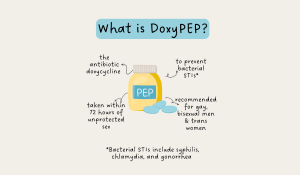
New data shows that cases of bacterial STIs have dropped dramatically in San Francisco. Public health officials in the city believe doxy PEP has helped drive these declines.

A new report shows that fewer women are getting prenatal care. That means too many patients are missing the chance to prevent congenital syphilis.

ASHA believes that all people have the right to the information and services that will help them to have optimum sexual health. We envision a time when stigma is no longer associated with sexual health and our nation is united in its belief that sexuality is a normal, healthy, and positive aspect of human life.
ABOUT
GET INVOLVED
ASHA WEBSITES
GET HELP
© 2026 American Sexual Health Association
We need to know if we can keep you company during this visit. We are useful for making this site work.
We use cookies to enhance your browsing experience. You can choose which cookies you want to accept.
Necessary cookies help make a website usable by enabling basic functions like page navigation and access to secure areas. The website cannot function properly without these cookies.
| Cookie | Provider | Purpose | Expiry |
|---|---|---|---|
digiconsent | This website | Stores your cookie consent preferences. | 1 year |
wordpress_logged_in_* | WordPress | Identifies logged-in users and their authentication details. | 14 days / Session |
wordpress_sec_* | WordPress | Stores authentication details for secure areas. | 14 days / Session |
wp-settings-* | WordPress | Stores user interface customization preferences. | 1 year |
wp-settings-time-* | WordPress | Stores the time when wp-settings cookie was set. | 1 year |
Analytics cookies help us understand how visitors interact with our website by collecting and reporting information anonymously. This helps us improve our website.
| Cookie | Provider | Purpose | Expiry |
|---|---|---|---|
_ga | Registers a unique ID to generate statistical data on website usage. | 2 years | |
_ga_* | Used by Google Analytics to store and count pageviews. | 2 years |
Marketing cookies are used to track visitors across websites. The intention is to display ads that are relevant and engaging for the individual user.
Functional cookies enable the website to provide enhanced functionality and personalization. They may be set by us or by third party providers.