ACOG Recommends Removing Fallopian Tubes Instead of Tubal Ligation 

Removing fallopian tubes

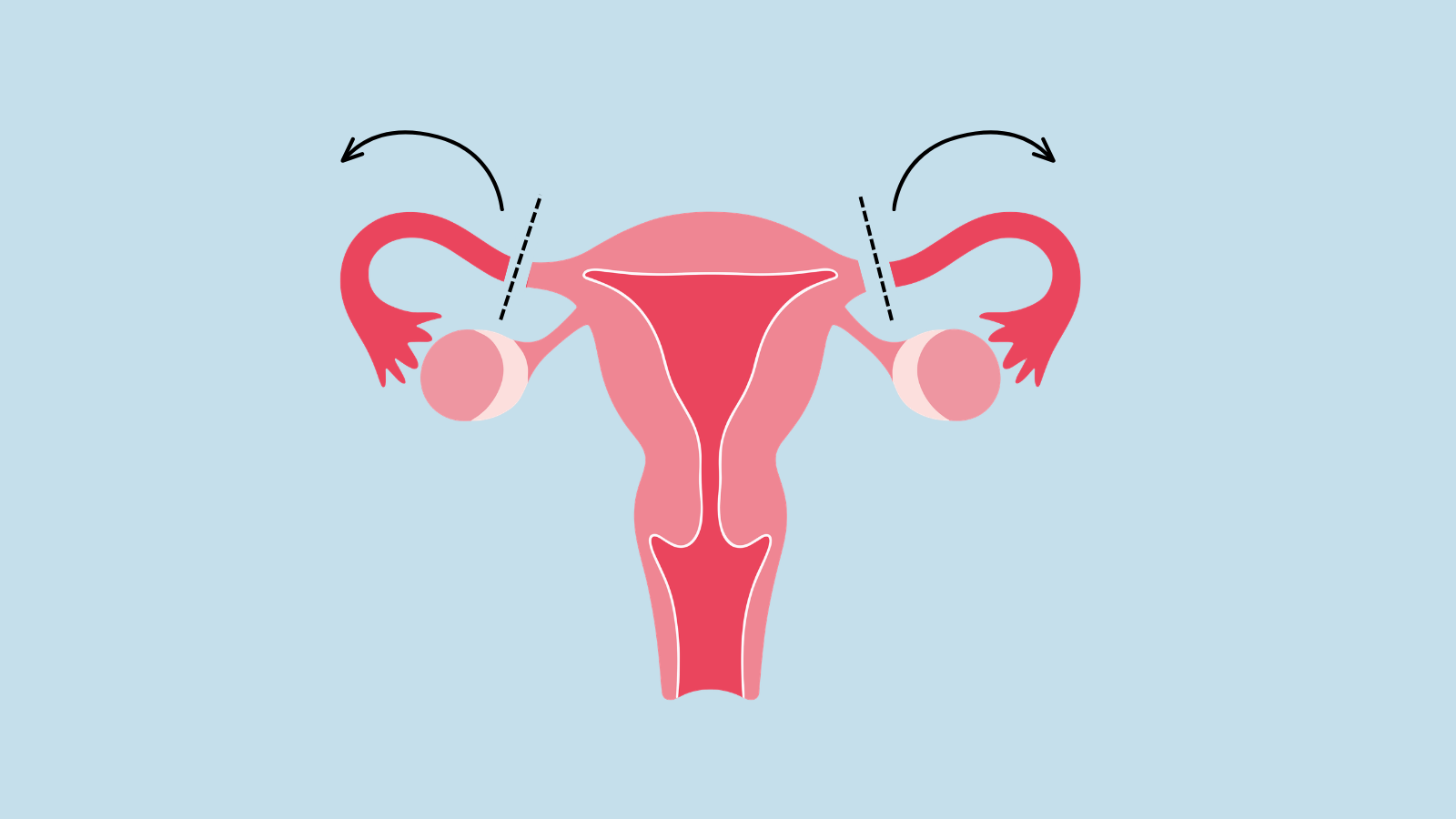
Studies show that removing fallopian tubes can reduce a person’s lifetime risk of developing ovarian cancer by as much as 78%. Based on this evidence, the American College of Obstetricians and Gynecologists (ACOG) has come out with new guidelines to encourage doctors to remove fallopian tubes in certain situations. This includes when people ask for surgical sterilization as a form of permanent birth control. It also includes people undergoing other kinds of pelvic or abdominal surgery.  

Ovarian cancer is hard to detect early. It often causes no symptoms, and there are no screening tests that can find it. Even pelvic exams can’t detect early cases. There also aren’t many steps that can be taken to prevent ovarian cancer. But research suggests that 70% of the most common and aggressive kinds of ovarian cancer start in the fallopian tubes. This is why ACOG and other medical organizations are recommending removing fallopian tubes when practical.

Removing Fallopian Tubes As Birth Control

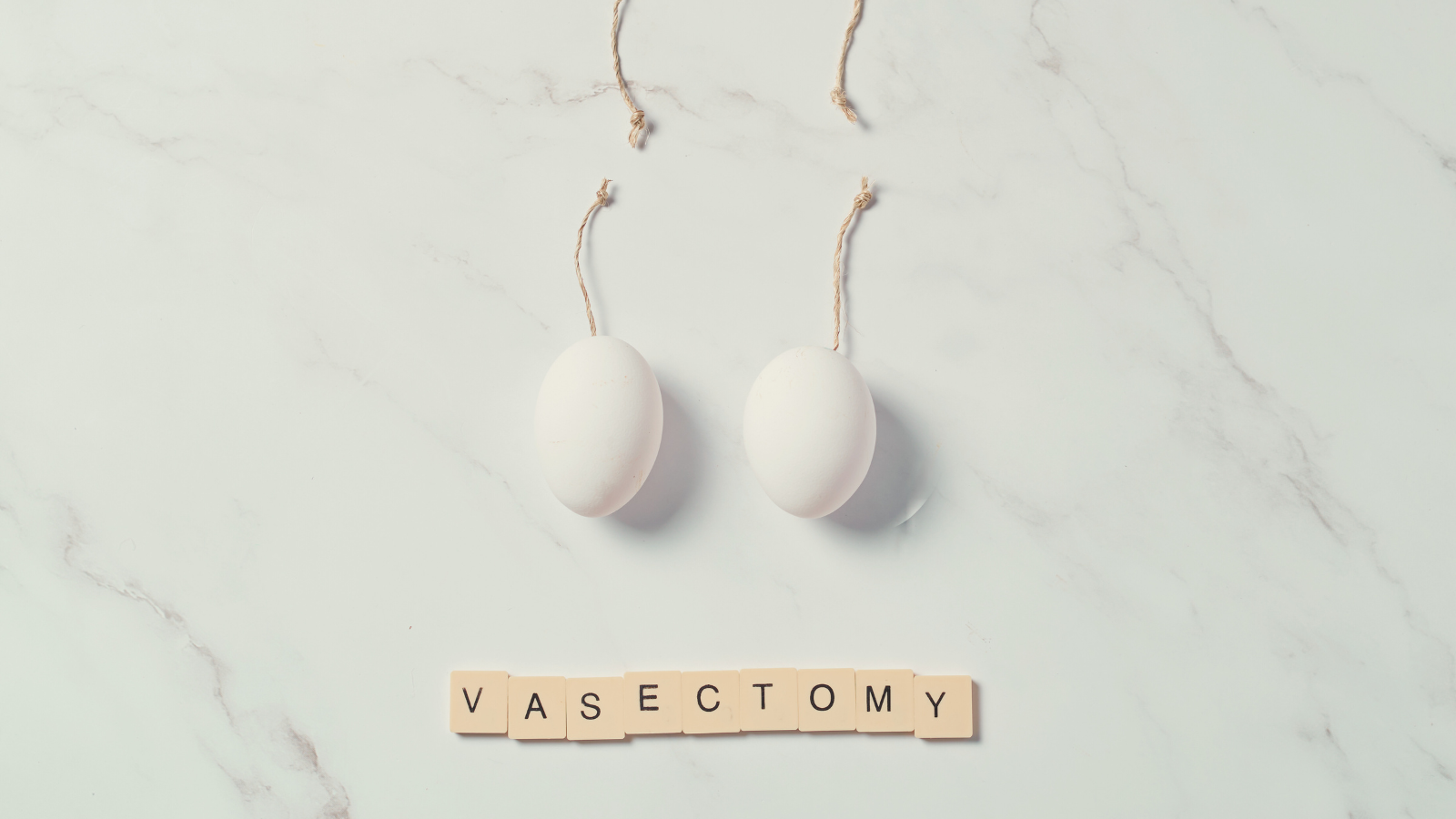
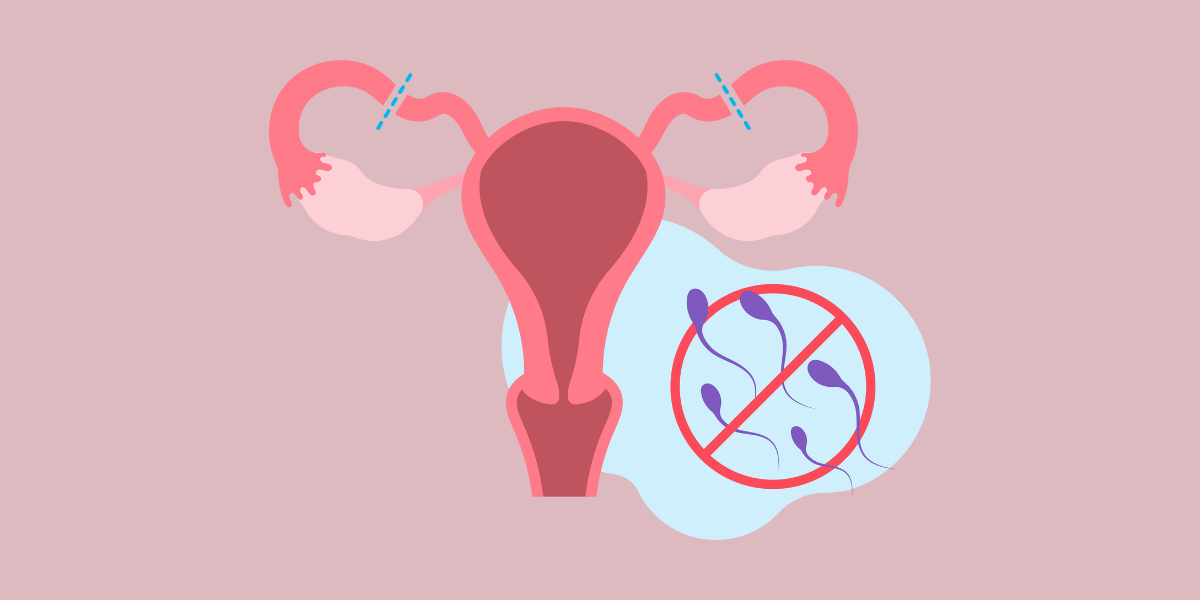
People who are sure that they don’t want to have any more children often opt for surgical sterilization. For people with testicles, means a vasectomy which cuts, ties, or seals the vas deferens, the tubes that carry sperm out of the testes. For people with uteruses, this historically meant tubal ligation which cuts, ties, or seals the fallopian tubes, the tubes that carry eggs out of the ovaries. In recent years, however, some surgeons have removed the fallopian tubes instead. (The procedure to remove a fallopian tube is called a salpingectomy.)

ACOG is now saying that removing the fallopian tubes is the better method. The new guidelines stress that “…salpingectomy is the preferred procedure for patients seeking permanent contraception.”

Removing Fallopian Tubes As Part of Other Surgeries

The new guidelines also suggest that women having other abdominal surgeries be told about the possibility of having their fallopian tubes removed at the same time.

Modern hysterectomies already include removing the fallopian tubes. The new ACOG guidelines suggest that clinicians also recommend removal to women who are having other gynecological procedures such as surgeries to remove fibroids or ovarian cysts.

The recommendation isn’t just for gynecologic surgery. It also applies to some other operations in the pelvis or abdomen, such as hernia repair, appendix removal, gallbladder surgery, or bowel surgery.

Health care providers call this an “opportunistic salpingectomy,” but the idea is simple: if you’re already having surgery in your pelvis or abdomen, why not remove the fallopian tubes at the same time. It doesn’t add to the risks of the surgery or the recovery time, and it may prevent ovarian cancer. Of course, it’s only an option for people who don’t want to have any more children now or in the future.

Preventing Ovarian Cancer

Dr. David Schalowitz, a professor at Western Michigan University’s medical school said in a statement, “Obstetrician-gynecologists have an opportunity to empower patients through education, evidence-based practice, and collaboration with other medical and surgical specialists. For now, salpingectomy is the safest, most effective way to prevent this deadly disease.”

If you are looking for permanent contraception or scheduled to have any pelvic surgery, ask your health care provider about the possibility of removing your fallopian tubes.

If you’re still considering having children in the future, talk to your provider about the birth control pill which can also reduce your risk of ovarian cancer. In fact, using the pill for 5 years has been shown to reduce your risk of ovarian cancer by 50%.

If your mother or sister had ovarian cancer or any close family members had breast cancer, you might be at increased risk for ovarian cancer. You can talk to your health care provider or a genetic counselor about your risk level and the possibility of genetic testing.
Keep Reading

A health care provider explains IUD insertion to a patient

New Recommendations to Make IUD Insertion Less Painful

There is new guidance on pain management for IUD insertion and acknowledgement that providers often underestimate the pain patients feel during their procedures.
An image of a calendar noting ovulation

Behavioral Methods of Contraception

When we talk about contraception, we usual think about things that we can get from our doctors or pharmacists, but the truth is preventing pregnancy can be a simple as changing your behavior.

Non-Hormonal Contraception Options

Non-hormonal contraceptive methods fall into a few categories. These include barrier methods and surgical options.
A woman jogs in place

The Birth Control Pill May Protect Female Athletes from Knee Injuries 

There’s new research to suggest that the birth control pill can protect female athletes from ACL tears which is one of the most common knee injuries. While this may sound far-fetched, the science behind it is very interesting.
A pack of birth control pills

More Proof that the Birth Control Pill Reduces Risk of Ovarian Cancer 

A new study of more than 200,000 women found that women who had ever taken the pill had a 26% lower risk of ovarian cancer.
A person applies a contraceptive patch on the arm

Choosing A Hormonal Contraception Option

Many methods of birth control that are available today rely on hormones like those that our bodies make naturally. Hormonal methods come in many different forms—from pills to patches to shots—but all of them essentially work the same way.
A doctor discusses contraception options with a patient

Choosing Contraception That’s Right for You

Anyone who is having penis-in-vagina sex runs the risk of getting pregnant every time they have sex. Even if it’s your first time. Even if you have your period. Even if it’s a full moon and Mercury is in retrograde. The good news is that there are a lot of ways to make sure that you don’t get pregnant.
LARC options—implant and IUD

Questions and Concerns about Long-Acting Reversible Contraception

LARC methods are safe, reliable, and prevent pregnancy for years. For many people they are a great choice, but everyone has personal preferences for what fits in to their lifestyle and health profile.
New non-hormonal IUD

The Latest Hormonal IUD on the Market

The newest IUD approved by the FDA, called Miudella, is more flexible and uses less copper than the Copper-T which has been the only non-hormonal IUD on the market for many years.
A package of Opill contraceptives on the shelf at the pharmacy

Over-the-Counter Contraceptives Might Soon Be Covered by All Insurance 

The Biden Administration proposed new rules designed to make getting contraception easier and less expensive.
A teen is offered condoms and rolls their eyes

Are Young People Abandoning Condoms?

Condom use is falling among young people around the world. Is a lack of sex education partly to blame?
Tubal ligation

New Study Casts Doubt on the Effectiveness of Tubal Ligation 

A new study says we might be overestimating just how good tubal ligation (“getting your tubes tied” ) is at preventing pregnancy.
Birth control pills in a bag

Birth Control Prescriptions Are Down in States with Abortion Bans

Women in states with restrictive abortion laws have few options today. And yet the prescriptions for birth control methods has fallen since the Dobbs decision.

Mife Mayhem Continues: Fifth Circuit Issue a Decision

There is another update to the ongoing court battle over mifepristone, one of two drugs used in most medication abortion.
A person holds a pack of birth control pill

FDA Approves OTC Birth Control Pill

An FDA advisory panel voted unanimously last week that Opill, a progestin-only birth control pill, should be available over the counter.
LARC: Long-acting reversible contraception

Understanding LARC: Long-Acting Reversible Contraception

The name says it all. Long-acting reversible contraception, or LARC, is reversible birth control that provides long-lasting (think years) pregnancy prevention.