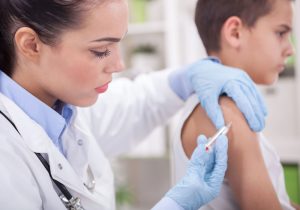
The HPV Vaccine Prevents Cancer
In the U.S., HPV infections are estimated to cause about 37,300 cases of cancer. The HPV vaccine can prevent over 90% of these cancers from ever developing.

In the U.S., HPV infections are estimated to cause about 37,300 cases of cancer. The HPV vaccine can prevent over 90% of these cancers from ever developing.

Though usually harmless, some types of HPV cause cervical lesions that, over a period of time, can develop into cancer if untreated.

There’s a new way to screen for cervical cancer—no pelvic exam, stirrups, or speculum involved.
In the U.S., HPV infections are estimated to cause about 37,300 cases of cancer. The HPV vaccine can prevent over 90% of these cancers from ever developing.
Though usually harmless, some types of HPV cause cervical lesions that, over a period of time, can develop into cancer if untreated.
There’s a new way to screen for cervical cancer—no pelvic exam, stirrups, or speculum involved.
In the U.S., HPV infections are estimated to cause about 37,300 cases of cancer. The HPV vaccine can prevent over 90% of these cancers from ever developing.
Though usually harmless, some types of HPV cause cervical lesions that, over a period of time, can develop into cancer if untreated.
There’s a new way to screen for cervical cancer—no pelvic exam, stirrups, or speculum involved.
Listen as cervical cancer survivors discuss diagnosis, treatment, and survivorship, and offer advice on coping with cervical cancer.

Australia has been a leader in cervical cancer prevention for decades and is now close to eliminating the disease.

Three organizations—ACS, ACOG, and HRSA—have each recently endorsed new guidelines for cervical cancer screening. All of them discuss screening with self collected samples.
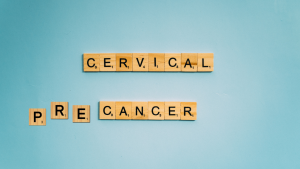
A study has found a dramatic drop in the rates of cervical pre-cancers in young adult women—evidence that the HPV vaccine is working.
Listen as cervical cancer survivors discuss diagnosis, treatment, and survivorship, and offer advice on coping with cervical cancer.
Australia has been a leader in cervical cancer prevention for decades and is now close to eliminating the disease.
Three organizations—ACS, ACOG, and HRSA—have each recently endorsed new guidelines for cervical cancer screening. All of them discuss screening with self collected samples.
A study has found a dramatic drop in the rates of cervical pre-cancers in young adult women—evidence that the HPV vaccine is working.
Listen as cervical cancer survivors discuss diagnosis, treatment, and survivorship, and offer advice on coping with cervical cancer.
Australia has been a leader in cervical cancer prevention for decades and is now close to eliminating the disease.
Three organizations—ACS, ACOG, and HRSA—have each recently endorsed new guidelines for cervical cancer screening. All of them discuss screening with self collected samples.
A study has found a dramatic drop in the rates of cervical pre-cancers in young adult women—evidence that the HPV vaccine is working.

You have probably heard that HPV can cause cervical cancer. But did you know that it can also cause cancers of the mouth, tongue, and throat?
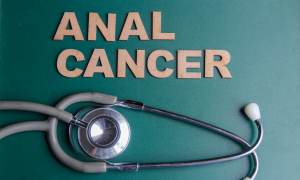
The American Cancer Society estimates that there will be about 11,270 new cases of anal cancer in the U.S. in 2026, with approximately 1,700 deaths.
A new study revealed a disturbing trend in health knowledge; fewer people seem to understand the connection between HPV and certain types of cancer including cervical, oral, anal, and penile cancers.

Read stories from three men on their personal experiences with HPV-related cancer.
You have probably heard that HPV can cause cervical cancer. But did you know that it can also cause cancers of the mouth, tongue, and throat?
The American Cancer Society estimates that there will be about 11,270 new cases of anal cancer in the U.S. in 2026, with approximately 1,700 deaths.
A new study revealed a disturbing trend in health knowledge; fewer people seem to understand the connection between HPV and certain types of cancer including cervical, oral, anal, and penile cancers.
Read stories from three men on their personal experiences with HPV-related cancer.
You have probably heard that HPV can cause cervical cancer. But did you know that it can also cause cancers of the mouth, tongue, and throat?
The American Cancer Society estimates that there will be about 11,270 new cases of anal cancer in the U.S. in 2026, with approximately 1,700 deaths.
A new study revealed a disturbing trend in health knowledge; fewer people seem to understand the connection between HPV and certain types of cancer including cervical, oral, anal, and penile cancers.
Read stories from three men on their personal experiences with HPV-related cancer.

We need to know if we can keep you company during this visit. We are useful for making this site work.