Genital Warts
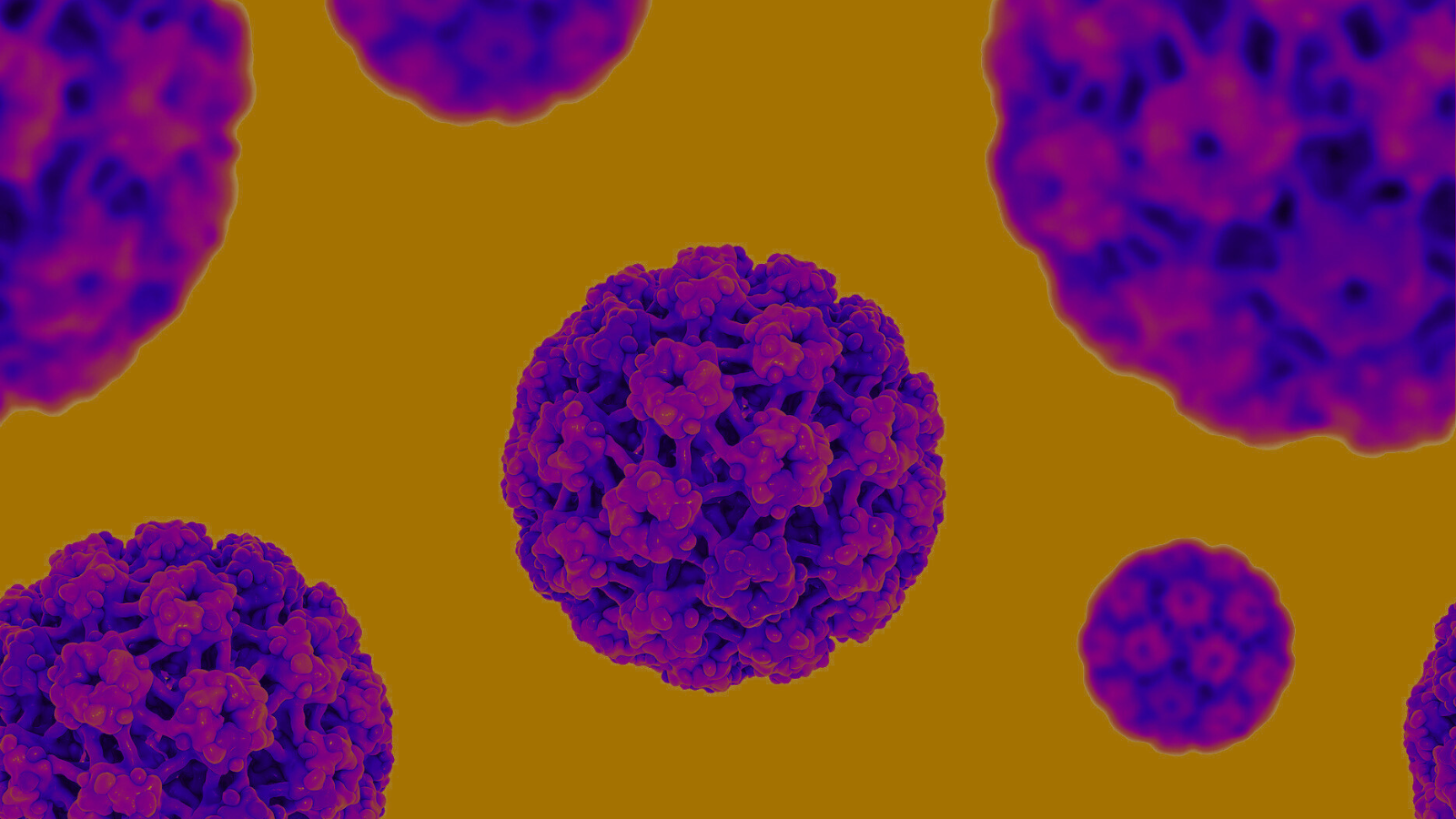
Certain types of human papillomavirus (HPV) cause genital warts. The types of HPV that cause genital warts are usually spread by direct skin-to-skin contact during vaginal, anal, or possibly oral sex with someone who has this infection. The HPV types that cause warts are known as “low risk” because they are almost never found with genital or anal cancers. Most HPV infections will not lead to visible warts and most people will not know they have the virus.
Some types of HPV can cause genital warts, which can appear as fleshy, painless, cauliflower-shaped skin growths. Warts are often small and hard to see, though, and can have different appearances: they might be smooth or rough, or large or small. There might be just one wart, or several.
Genital warts may appear within several weeks after sex with someone who has the wart-causing-types of HPV, or it may take several months or years to appear. It’s also possible that warts may never appear. This makes it hard to know exactly when or from whom someone got the virus.
Warts may appear around the vulva, in or around the vagina, in or around the anus, the groin (where the genital area meets the inner thigh), on the penis, on the scrotum (balls), or the cervix (although this is less common than external warts). Warts usually do not cause itching, burning, or pain. However, most HPV infections will not lead to visible warts and most people will not know they have the virus.
Genital warts may or may not return after the first episode. Some people only have one episode of warts, while others have recurrences, when warts reappear. When warts are present, the virus is considered active. When warts are gone, the virus is latent (sleeping) in the skin cells – it may or may not be contagious at this time.
A healthy immune system is usually able to clear the virus over time.
How are warts passed on?
The types of HPV that cause genital warts are usually spread by direct skin-to-skin contact during vaginal, anal, or possibly oral sex with someone who has this infection. Any person who is sexually active can get genital warts.
HPV may be more likely transmitted when warts are present, but the virus can be passed on even when there are no visible symptoms.
The types of HPV that cause genital warts are usually different from those causing warts on other body parts, such as the hands. People do not get genital warts by touching warts on their hands or feet.
Warts are not commonly found in the mouth, so some experts believe that transmission through oral sex is not as likely as with genital-to-genital or genital-to-anal contact.
Diagnosing Genital Warts
A healthcare provider will check a person’s genital area and may even use a magnifying lens to find and identify warts. Sometimes, warts can be very hard to see. Also, it can be hard to tell the difference between a wart and normal bumps on the genital area.
To look for warts or other abnormal tissue, the healthcare provider may put acetic acid (vinegar) on the genitals. This causes warts to turn white and makes them easier to see, especially if they are viewed through a magnifying lens such as a colposcope. However, the vinegar can sometimes cause other normal bumps to be highlighted, so this method of diagnosis can be misleading.
A biopsy is not necessary for diagnosing genital warts. This is only done if the bump is unusual looking or discolored.
HPV DNA tests are only approved for use as part of cervical cancer screening and, and are not used to diagnosed warts. These are no blood tests clinically available to diagnose a person for HPV.
Treatment for Genital Warts
While there is no medical cure for HPV, there are several treatment options available for genital warts. The goal of any treatment should be to remove visible warts to get rid of annoying symptoms. Treating the warts may possibly help reduce the risk of passing the infection on to a partner who may have never been exposed to the wart-types of HPV.
When choosing what treatment to use, the healthcare provider will consider the size, location and number of warts, changes in the warts, patient preference, cost of treatment, convenience, adverse effects, and their own experience with the treatments. No one treatment is best for all cases. Some treatments are done in a clinic or doctor’s office; others are prescription creams that can be used at home for many weeks.
Treatments done in the doctor’s office include:
- Cryotherapy (freezing off the wart with liquid nitrogen). This can be relatively inexpensive, but must be done by a trained healthcare provider.
- Podophyllin (a chemical compound that must be applied by a healthcare provider). This is an older treatment and is not as widely used today.
- TCA (trichloracetic acid) is another chemical applied to the surface of the wart by a healthcare provider.
- Cutting off warts. This has the advantage of getting rid of warts in a single office visit.
- Electrocautery (burning off warts with an electrical current)
- Laser therapy (using an intense light to destroy warts).This is used for larger or extensive warts, especially those that have not responded well to other treatments. Laser can also cost a lot of money. Most healthcare provider do not have lasers in their office and the provider must be well-trained with this method.
- Interferon (a substance injected in to the wart). This is rarely used anymore due to extensive side effects and high cost. Less expensive therapies work just as well with fewer side effects.
At-home prescription creams (these are only available by a prescription):
- Podofilox cream or gel (Condylox®). This is a self-applied treatment for external genital warts. It may be less expensive than treatment done in a healthcare provider’s office, is easy to use and is safe, but it must be used for about 4 weeks.
- Imiquimod cream (Aldara®). This is also a self-applied treatment for external genital warts. It is safe, effective and easy to use. This cream is different than other commonly-used treatments, which work by destroying the wart tissue. Aldara® actually boosts the immune system to fight HPV, and may make recurrences less likely.
IMPORTANT: Over-the-counter wart treatments should not be used in the genital area.
Preventing Genital Warts
Any person who is sexually active can come across this common virus. There are ways to reduce the chance of getting genital warts:
- If someone had visible symptoms of genital warts, they should not have sexual activity until the warts are removed. This may help to lower the chance of passing the virus.
- Condoms used the right way from start to finish every time you have sex may help provide protection – but only for the skin that is covered by the condom. Condoms do not cover all genital skin, so they don’t protect 100%.
- Spermicidal foams, creams, jellies (and condoms coated with spermicide) are not proven to be effective in preventing HPV and may cause microscopic abrasions that make it easier to contract STIs. Spermicides are not recommended for routine use.
- Vaccines can protect against the HPV types found with most cases of genital warts.
When someone has HPV, they are not likely to be reinfected if exposed again to the same type. This is probably due to the immune system’s response to the virus. However, it is possible to be infected with a different type of HPV from a new partner. It is important for partners to understand the “entire picture” about HPV so that both people can make informed decisions based on facts, not fear or misconceptions.
Pregnancy and Genital Warts
Most pregnant women who have had genital warts previously but no longer do would be unlikely to have any complications or problems during pregnancy or birth. Most children are born healthy to women with a history of genital warts.
Because of hormone changes in the body during pregnancy, warts can grow in size and number, bleed, or, in extremely rare cases, make delivery harder. Very rarely, babies exposed to the wart-types of HPV during birth may develop growths in the throat. This so seldom happens, though, that women with genital warts do not typically need to have a cesarean-section delivery unless warts are blocking the birth canal.
It is important that a pregnant woman notify her healthcare provider or clinic if she or her partner(s) has had genital warts. This way they can determine if they need to treat the warts, or not, during the pregnancy.
Learn More About HPV